All of our practitioners are currently at capacity.
We are still anticipating short wait times.
Please submit a referral to join our waitlist.
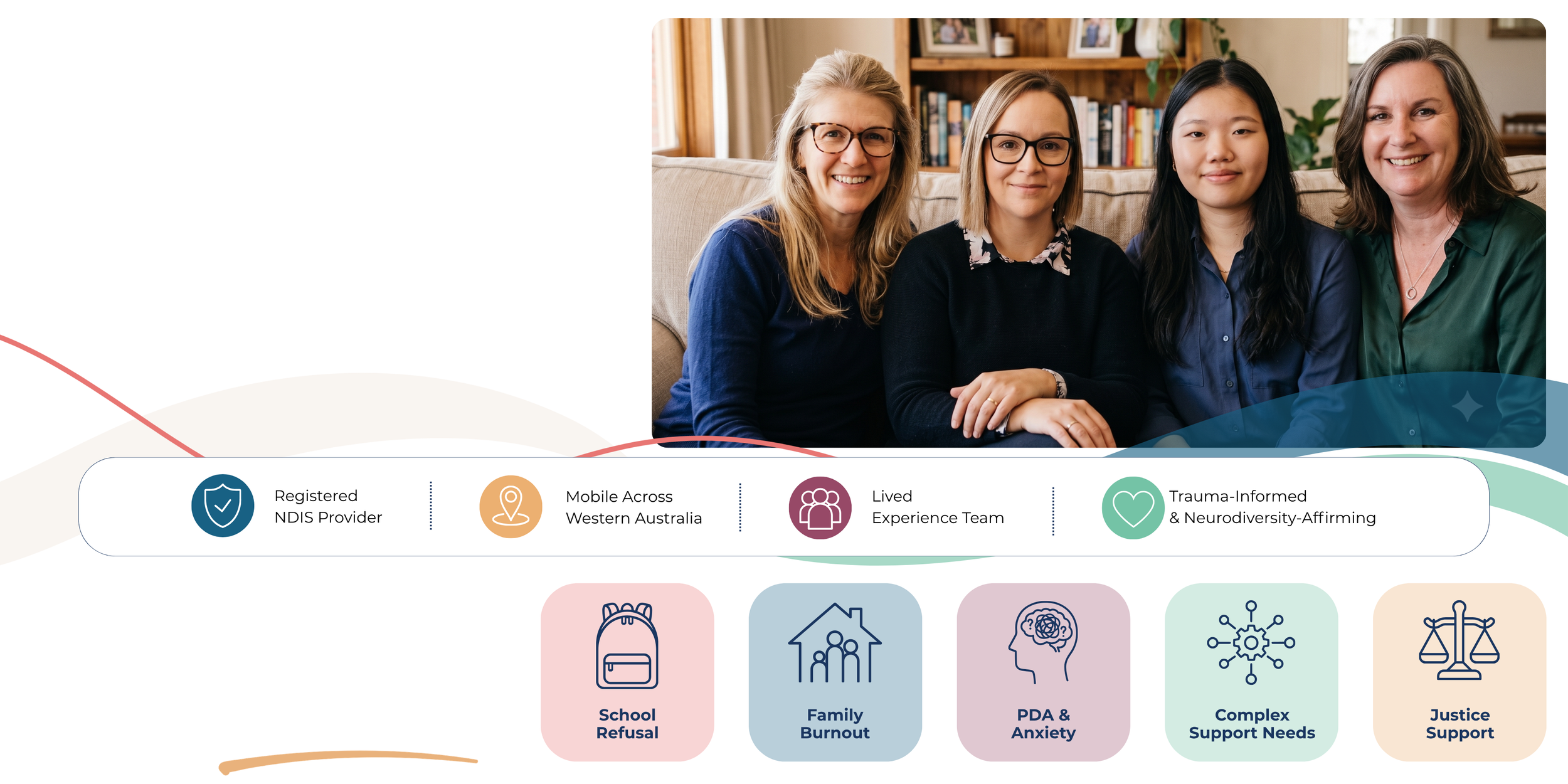
Family and carer burnout
PDA and anxiety support
Lived experience team
Trauma informed and neurodiversity affirming
Co-designed behaviour support plans
In home and in school support
Mobile behaviour support service
Registered NDIS Provider
Connect with participants
Growth and Understanding
Support for complex cases
School refusal
Supporting participants with justice system involvement
Support for complex cases
Behaviour support that understands your family.
Neurodiversity affirming Positive Behaviour Support delivered across Western Australia by practitioners with lived experience.
We Understand.
We support people with complex needs and their families, schools and communities around them.

Meet the Team
-
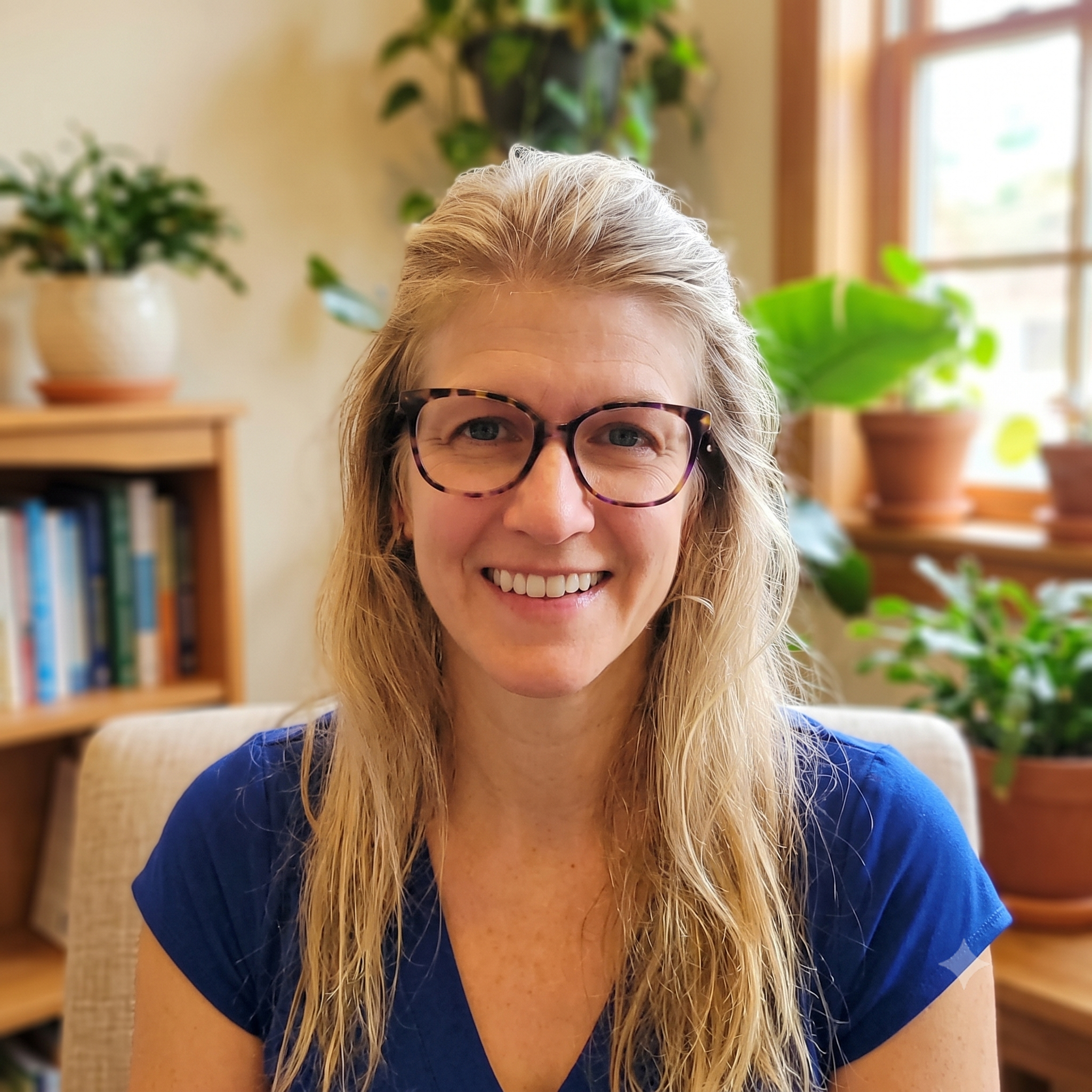
Lydia Briers
-
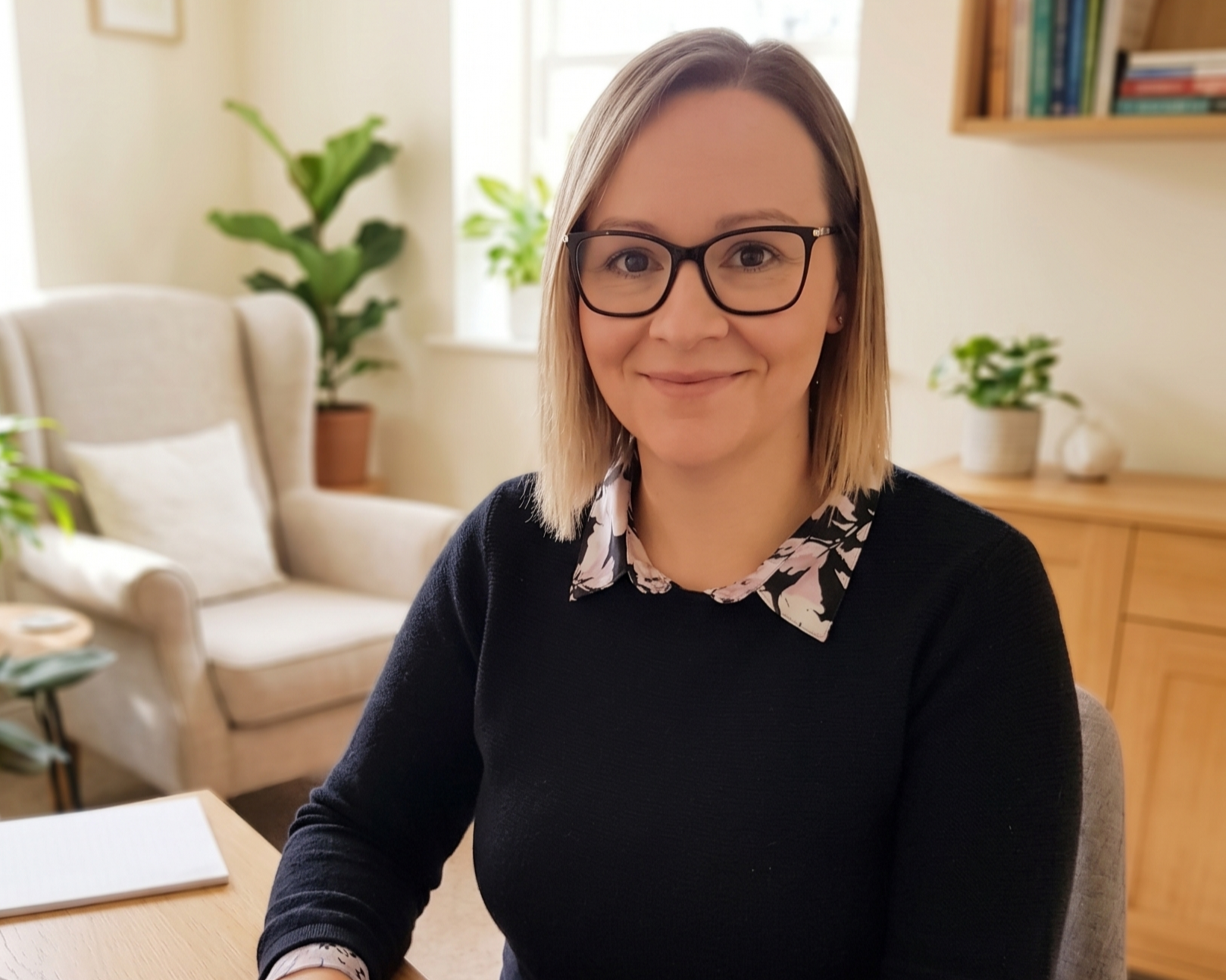
Rebecca Koch
-
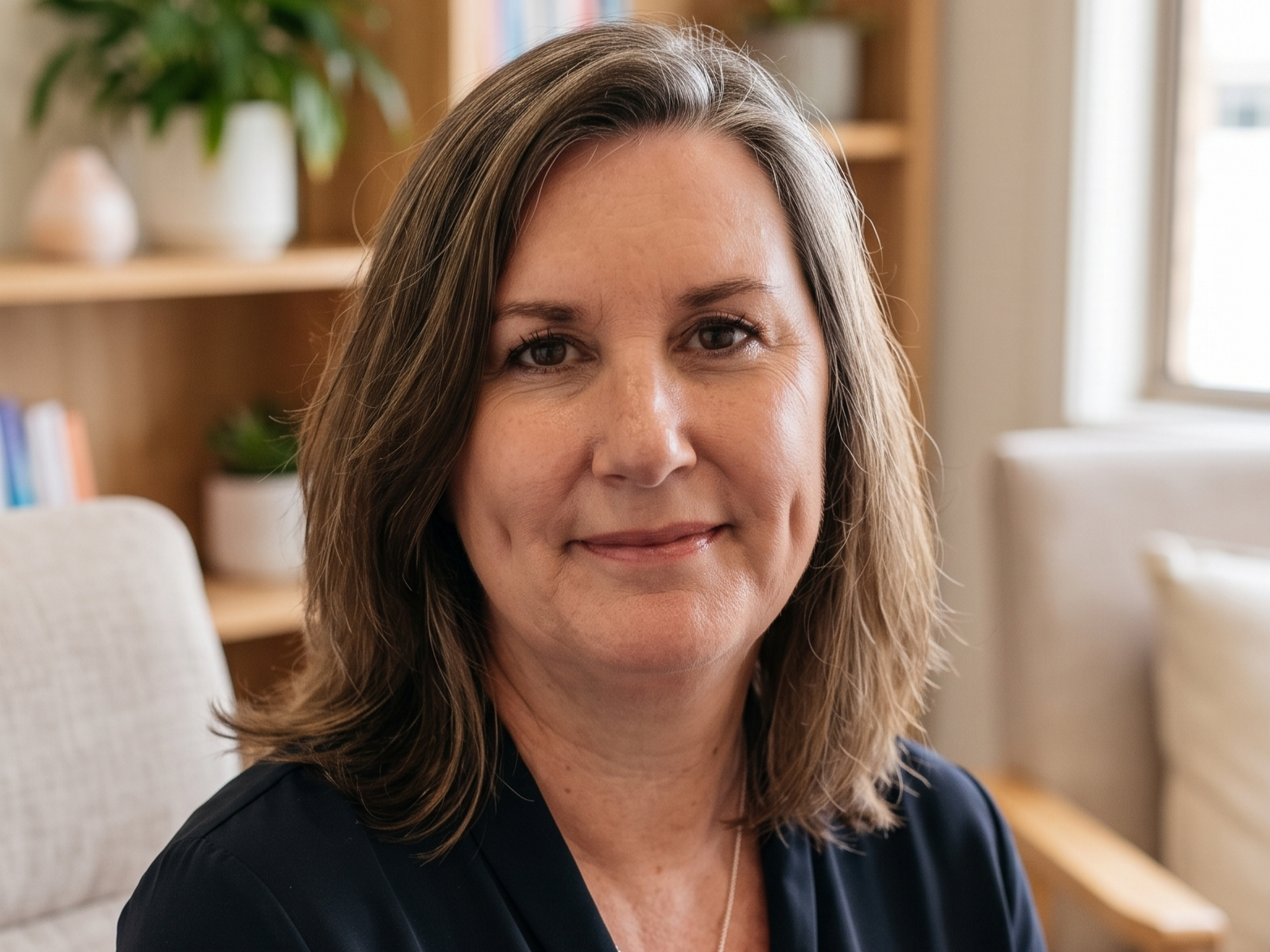
Jody Thomas-Smith
-

Qining Huang
FAQ

-
Positive Behavior Support - or PBS - is really just a way of listening to what someone is trying to tell us through their behaviour.
Think of behaviour like an iceberg. What we see above the water - like shouting, hitting, or shutting down - is just a reaction. Below the water line are things like feeling overwhelmed, being in physical pain, not knowing how to ask for help, or feeling out of control.
Instead of punishing what's happening above the water, PBS helps us look underneath. We figure out what triggers the distress, how we can change the environment to make them feel safe, and how we can teach them easier ways to get their needs met.
-
Think of it this way: both approaches work on minimising behaviours of distress, but they start from two very different places.
Traditional ABA historically asks: ‘How do we change this person’s behaviour so they fit into the world and act more like other people?’ Its main focus has been on helping people adapt to typical social expectations - like encouraging eye contact, sitting still, or reducing behaviours like hand-flapping. Research actually shows this approach can be harmful, with studies linking forced compliance in ABA to long-term trauma and burnout in autistic adults.
A Neuroaffirming approach flip-flops that question. It asks: ‘How do we support this person’s unique brain, build on their strengths, and change the environment so they can succeed as themselves?’ It views things like hand-flapping or avoiding eye contact not as bad habits to fix, but as natural ways a person regulates their emotions, copes with noise, or shows joy.
Imagine a person gets overwhelmed in a loud room and starts rocking back and forth:
Traditional ABA might focus on stopping the rocking and rewarding them for sitting quietly, even if they’re still stressed inside.
A Neuroaffirming approach sees the rocking as a sign of stress. Instead of stopping the movement, it offers noise-canceling headphones, gives them a quiet space, and teaches them how to say, ‘I need a break.’
It’s not about forcing them to act 'typical' - it’s about giving them tools to express themselves, feel safe, and advocate for what they need.
-
At Waves, lived experience isn't just a credential on a resume - it’s the foundation of everything we do.
We aren't looking at support through a textbook; we’ve walked in those exact shoes (although maybe down a slightly different path). We intimately understand autistic burnout - not as a concept, but as the overwhelming, physical, and mental exhaustion that comes from a lifetime of trying to navigate a world that wasn't built for neurodiverse minds.
Most importantly, we truly understand what it means to be someone’s safe person. Being that person is a profound responsibility, and it can be incredibly hard. It means being the person they safe-dump on, vent to, or even vent at. It’s being there when sensory overload or burnout hits so hard that they become completely dysregulated and yell, 'I hate you!' - even when everyone involved knows it isn't true.
We know how much internal strength it takes to sit in that fire, put your own ego aside, and swallow your immediate reactions so you can stay calm enough to co-regulate. You can only hold that space when you truly get that the anger isn't directed at you - it's a cry of distress from someone who has reached their absolute limit and trusts you enough to let the dam break.
This lived perspective brings a depth of empathy and real-time understanding that you simply cannot learn in a classroom. When we sit with a participant or a family, there’s no clinical distance. We bring genuine connection, zero judgment, and the deep emotional capacity needed to hold space through the hardest moments.
-
First, if you have dedicated Behaviour Support funding - which is listed under Behaviour Support within an NDIS plan - we can jump straight in with comprehensive support and building a plan.
Second, if you don't have Behaviour Support funding yet, but you have flexible Therapeutic Supports funding - that’s under Improved Daily Living - we can often use that as a short-term bridge. We’ll step in to support you right away, and use a set amount of hours to gather data and build strong evidence for the NDIS. We then present that to them so you can get dedicated Behaviour Support funding built into your next plan.
And third, if you aren't on the NDIS, are still waiting for access, or just prefer to pay directly, we also work with private-paying participants under a flexible service agreement.
If you're not sure what any of those line items mean on your paperwork, don't worry at all. You can just send us a copy of your budget page, and we’ll happily look over it with you to figure out the best way forward.
-
A Waves Behaviour Support Practitioner isn't a clinician who comes into your life with a clipboard to 'fix' anyone or demand compliance. We are human-first, trauma-informed partners who step directly into the real, messy parts of daily life - your home, school, or community.
Here is what a Waves Practitioner actually does:
We build trust first, before anything else: We spend dedicated time getting to know the participant, learning what brings joy, what causes sensory overload, and what safety looks like. We put connection over correction.
We figure out the 'Why': We do a Functional Behaviour Analysis to look beneath the surface. Instead of treating dysregulation or meltdowns as 'bad behaviour,' we uncover the unmet needs, sensory triggers, or communication barriers driving the distress.
We fix the environment, not the person: We design practical, neuroaffirming strategies that modify surroundings, routines, and sensory inputs. We help adapt the world around the person so they feel safe enough to regulate.
We write co-designed Behaviour Support Plans: We don't write rigid plans behind closed doors. We write them with you, your family, and your support team. We teach alternative, safer ways to communicate needs and advocate for rights.
We coach and support the inner circle: A plan is useless if it sits in a drawer. We train family members, support workers, and educators on how to co-regulate, avoid triggers, and become a steady, safe presence during dysregulation.
We handle the systemic heavy lifting: We stand beside you in school meetings, advocate in complex multidisciplinary settings, and manage all the NDIS reporting and restrictive practice governance behind the scenes - taking the bureaucracy off your shoulders.
-
When people ask about the benefits of Positive Behaviour Support, they often expect a list of 'behaviours that stop.' But the real goal of PBS isn't just fewer meltdowns - it’s giving someone a better, freer, and much happier quality of life.
For the person we support, the biggest benefit is finally feeling understood and safe. When we adjust the environment around them and honor their sensory needs, their nervous system gets a chance to rest. They don't have to mask or burn themselves out just to get through the day. We give them safer, easier ways to say 'I need help,' 'I’m overwhelmed,' or 'No,' and they learn that their voice actually gets heard.
For you as a family or support team, the biggest shift is moving out of 'crisis mode.' You stop constantly walking on eggshells or waiting for the next emergency. Daily routines - like mornings, mealtimes, or leaving the house - become much smoother. You gain clear, practical tools so you know exactly what to do when dysregulation hits, allowing you to be that calm, safe anchor.
Ultimately, PBS takes the pressure off the person and the people who love them. It transforms the home from a place of constant stress into a space where real connection, trust, and joy can actually happen.
-
First off, we want to say: that feeling is so completely valid. If you are feeling burnt out by appointments, paperwork, and therapy, the last thing we want to do is add another heavy weight to your shoulders.
Here is how Waves is different: our job isn't to give you a long list of homework, extra chores, or new things to manage. Our goal is actually to take things off your plate.
Positive Behaviour Support isn't about sitting in a clinic room for an hour every week doing drills. We step directly into your existing daily life - in a way that fits your schedule - and focus on making things easier for you.
We handle the heavy lifting. We spend time observing, gathering data, coordinating with schools, training support workers, and dealing with NDIS bureaucracy behind the scenes so you don't have to fight those battles alone.
If you don't have the capacity right now for intensive meetings or big changes, that is completely okay. We meet you exactly where you are - even if that just means holding space, making tiny environment tweaks, or taking over team communication. We are here to reduce your load, not add to it.
-
We completely understand why seeing all that paperwork feels overwhelming - especially when all you want is real, hands-on help right now. It can feel like we spend hours writing documents instead of just being there with you.
The reason there is so much report writing in Behaviour Support comes down to three main things:
First, it’s about getting you the NDIS funding you actually deserve. The NDIS is a giant system that requires clear, undeniable, clinical evidence to release funding. Every hour we spend documenting sensory needs, triggers, and progress is data we present directly to the NDIS to advocate for dedicated funding, more support worker hours, and better resources in your next plan.
Second, it protects the person’s rights and safety. High-quality Behaviour Support Plans are legally binding documents. They ensure that every support worker, teacher, or carer in that person's life follows the exact same safe, neuroaffirming, non-punitive strategies. It creates a 'single source of truth' so new staff can’t just walk in and guess - they have to follow what makes that person feel safe.
And third, it holds the whole system accountable. Reports track whether strategies are actually working over time, so we aren't using guesswork. It also handles all the strict NDIS governance behind the scenes.
The most important thing to know is that you don't have to read through mountains of jargon or write anything yourself. We do all the heavy administrative lifting so you can focus on your life, knowing your funding and rights are fully protected behind the scenes.
Resources and Articles
-
![Book cover with the title 'Creating a Career's Impact Statement' showing a woman with blonde hair and glasses speaking to another woman in an office setting with plants and books in the background.]()
Creating a Carer's Impact Statement
Step-by-step guide to creating a carer’s impact statement, including downloadable temaplte.
-
![The cover of a brochure or magazine titled "Understanding Your Rights as an NDIS Participant" features a woman smiling and talking to an elderly man, with plants and a bright indoor setting in the background.]()
Understanding your rights as an NDIS Participant
What you need to consider when working with an NDIS provider.
-
![Cover of a book titled 'Neuroaffirming Positive Behavior Strategies' with a cutout illustration of a human brain, split into two halves, one pink and one blue, on a light blue background with abstract colored lines at the bottom.]()
Neuroaffirming positive behaviour support frameworks
The leading experts that shape the way Waves provides positive behaviour support.
-
![Woman smiling and talking with two children at a table with board games in a bright home office or classroom setting, colorful books, plants, and a window in the background.]()
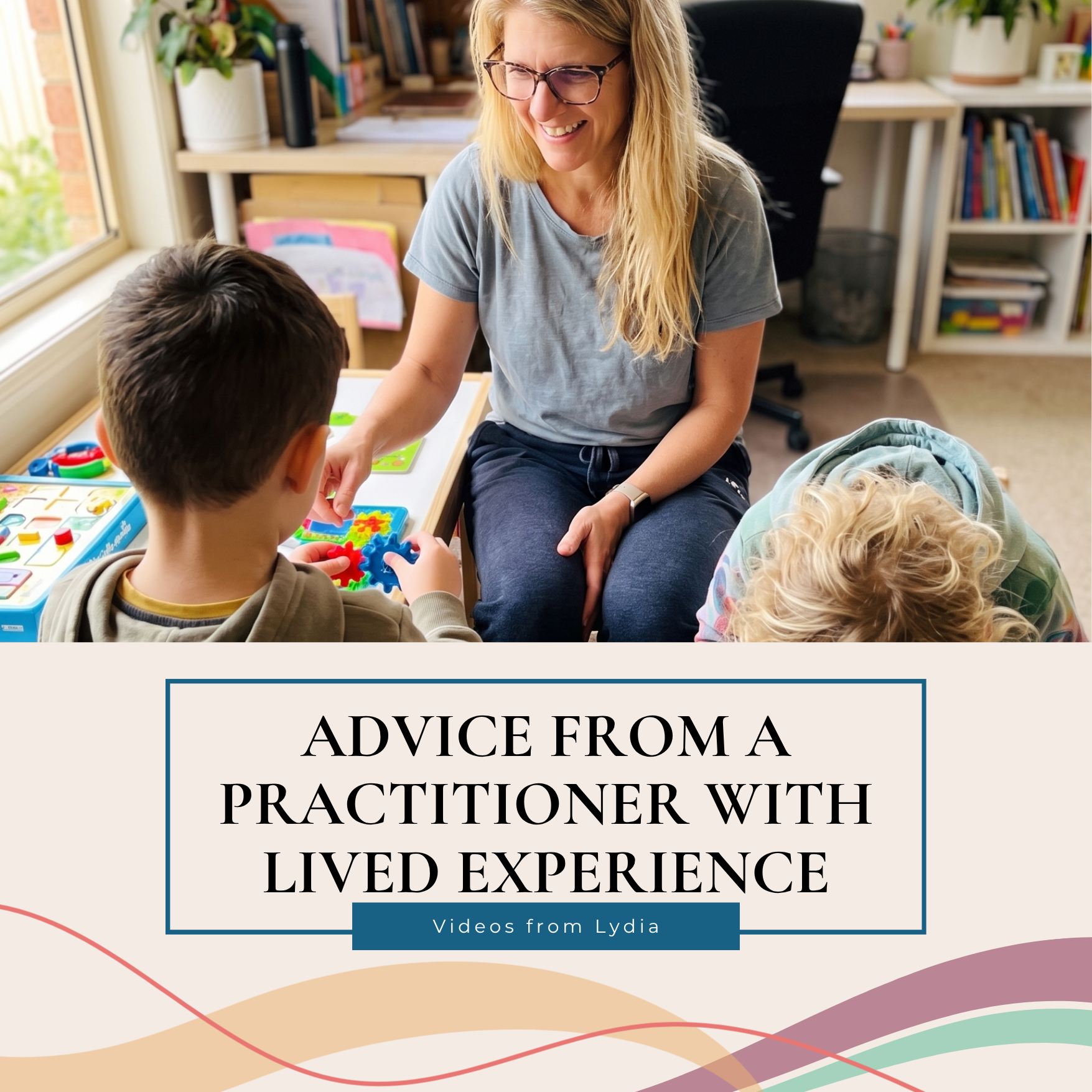
Advice from a practitioner with Lived experience
Videos from Lydia.